
Meet the Staff
Our Staff
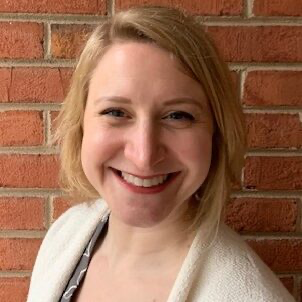
Ashley’s journey to health and wellbeing promotion began early in college, where she fell in love with the study of psychology with questions like: How do our thoughts, feelings, and behaviors develop and change over time? How much control do we really have over our thoughts, feelings and behaviors, anyway? How can we be content with who we are and what we have in life while still striving to get better each day? How can we be best prepared for the hard parts of life and be sure to savor the good parts? What is good mental health?
Ashley dedicated time as a student, researcher, practitioner, and student affairs professional over the last 15 years to understanding the science of behavior change and motivation, addiction, risky health behaviors in college students, personality and personality change, character development, wellbeing in the workplace, post-traumatic growth, mindfulness and meditation, the mind-body connection, and resilience.
Ashley creates and manages initiatives and services for the entire Wake Forest community – students, faculty, and staff – to build resilience, to prioritize diversity, equity, and inclusion in all we do, to increase our daily, joyful movement, and to elevate wellbeing in our workplaces.
Ashley graduated from the College of Charleston’s Honors College with a BS in Psychology and Wake Forest University’s Master’s in Experimental Psychology Program. She is a certified Health and Wellness Coach, Koru Mindfulness teacher, and Community Resiliency Model guide.
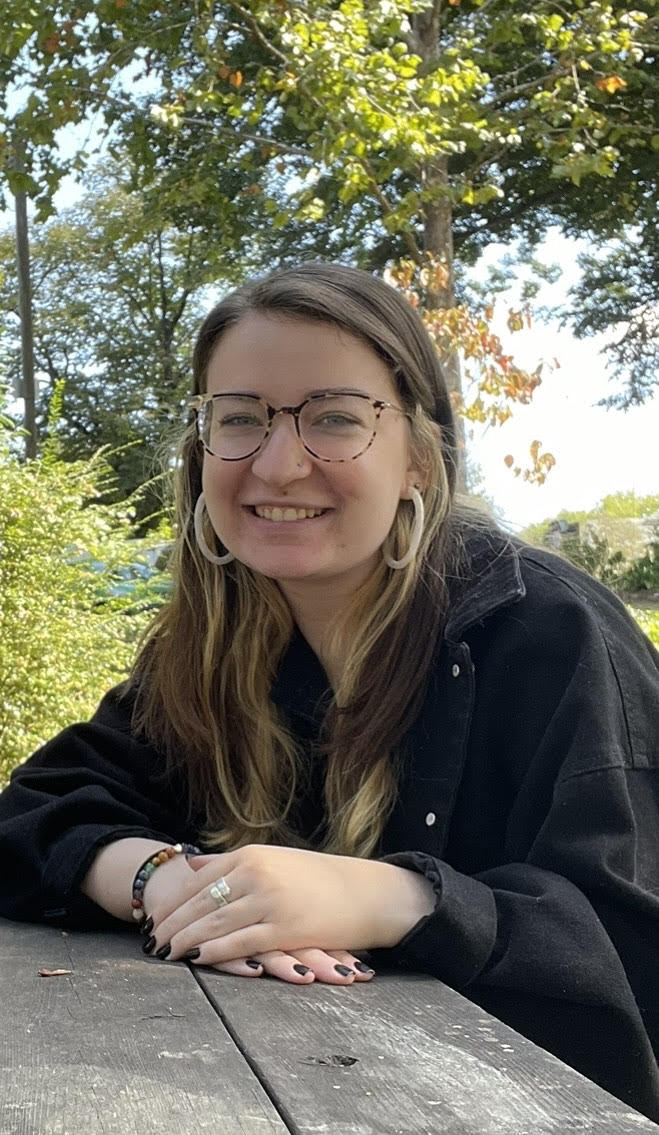
Hannah Dean joined the office in 2022 and now serves as the Assistant Director of Wellbeing, Interpersonal Violence Prevention. In this role, she leads the development, implementation, and evaluation of a comprehensive interpersonal violence prevention plan, which includes campus-wide bystander intervention efforts. Hannah collaborates extensively with other campus offices and students to build healthy education initiatives on topics such as consent, healthy relationships, boundaries, and more. She also supports the Respondent Support and Prevention Coordinator in expanding prevention initiatives, such as masculinity, as well as in the development of the respondent support program for students accused of sexual misconduct.
Hannah completed her Master’s in Social Work at the University of North Carolina at Charlotte, where she deepened her passion for prevention work by serving as a Survivor Advocate and working on a statewide coalition. Outside of work, Hannah enjoys exploring new local spots, coffee, and spending time with her two cats.

Jonah Neville is the Assistant Director of Wellbeing in the Office of Wellbeing at Wake Forest University, overseeing Substance Use prevention, intervention, & recovery support efforts. In his role, he develops, implements, and evaluates theory-based and evidence-informed health promotion policies, programs, and services as they pertain to collegiate substance use prevention and collegiate recovery. He also has experience in developing coalitions, implementing peer education strategic initiatives, and receiving grant funding.
Jonah is passionate about working from a perspective of skill building and utilizing a person-centered approach to assist students in feeling empowered in their journey of change. He completed his Bachelors of Science in Exercise Physiology at the University of North Carolina at Pembroke, and his Master’s of Science in Health Promotion at Mississippi State University. Additionally, Jonah is a Certified Health Education Specialist (CHES), Certified Wellness & Health Coach (CWHC) and SMART Recovery trained facilitator.
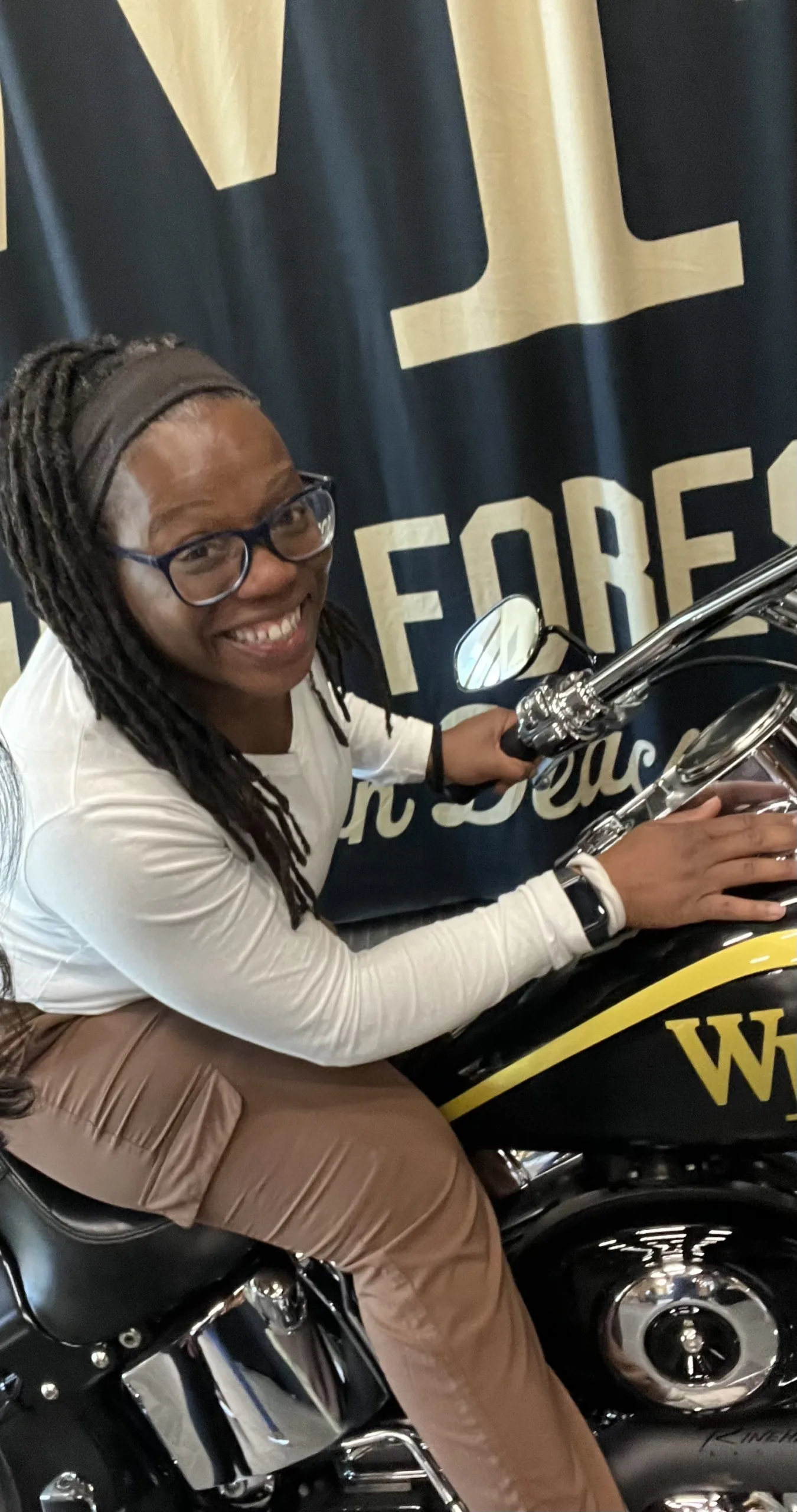
Lori Tyson-Jamison is the Assistant Director of Wellbeing, overseeing the Mental Health initiatives and programs. In her role, Lori is dedicated to fostering a supportive campus community that prioritizes mental health and overall wellbeing. With over 15 years of experience in the health and fitness field, Lori’s expertise spans body neutrality, joyful movement, and mental health education, areas she is deeply passionate about.
Lori is focused on developing training programs and educational initiatives that promote body neutrality and encourage joyful movement, all while addressing the mental health challenges that are common in the college environment. She also advises and manages peer education groups that work to spread awareness and promote mental health and wellbeing across campus. Drawing on her health and fitness background, Lori brings years of experience advocating and helping individuals cultivate a healthy relationship with their bodies, and promoting a positive, inclusive approach to self-care.
When Lori isn’t working on wellbeing initiatives, she enjoys staying active, exploring new wellness trends, and connecting with students to better understand their mental health needs. Lori graduated from Winston-Salem State University with a BS in Biology, and North Carolina A&T State University with a MS in Food and Nutritional Sciences.
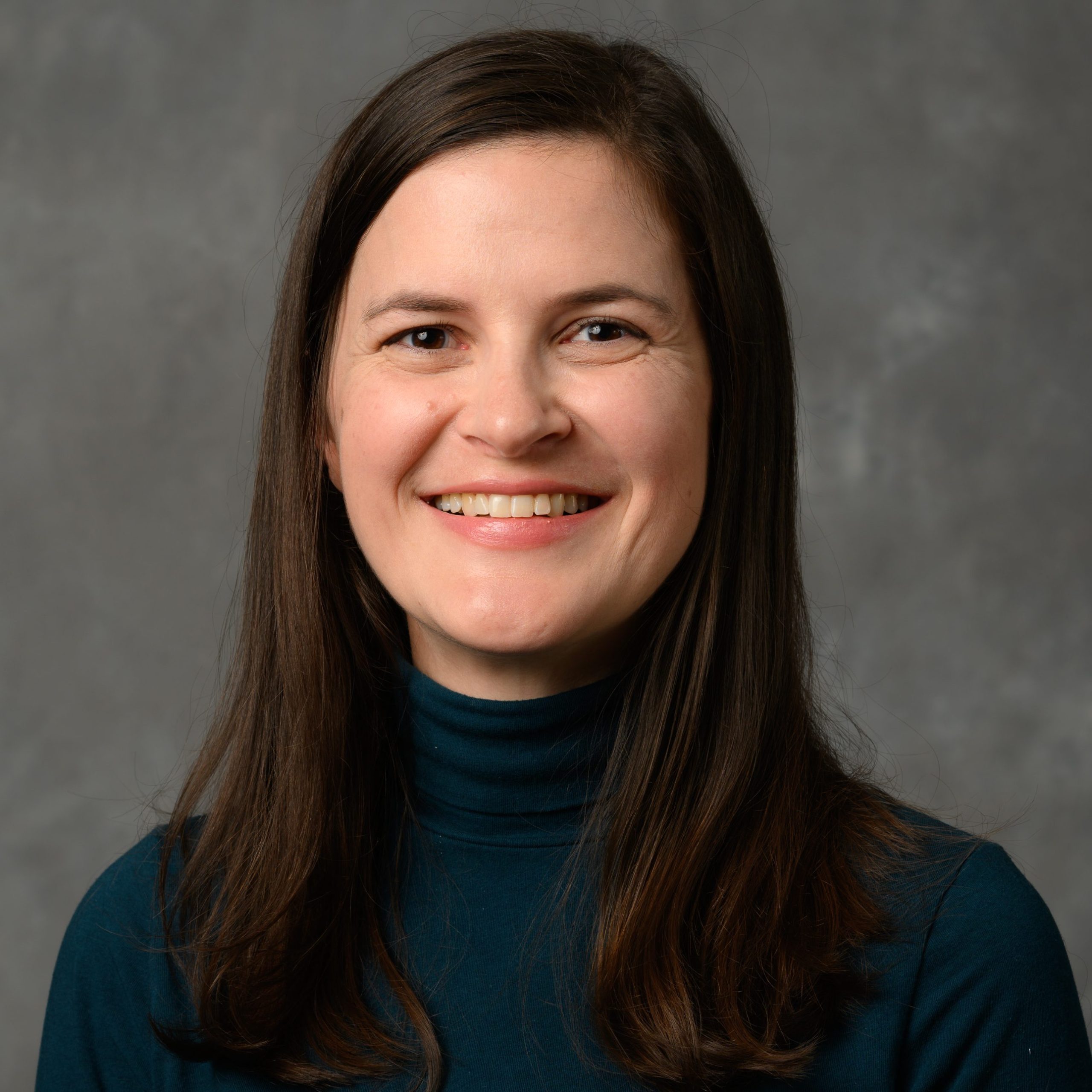
Marian currently serves as the inaugural Associate Director of Wellbeing, Collective Impact. In this role she helps Wake Forest craft an institutional vision and strategy for health promotion while providing leadership within the institutional efforts to be a leading health promoting campus. She also provides strategic leadership for part of the department’s health promotion portfolio which includes peer education initiatives, sleep hygiene, new student programs, and sexual health. Marian is the Instructor of Record for Wake Forest University’s CNS 253: Peer Education Academic Course. Prior to coming to Wake Forest, Marian worked at the Longhorn Wellness Center at The University of Texas at Austin where she served as the inaugural Bystander Intervention Specialist and inaugural Suicide Prevention Coordinator. When she was a peer educator during her undergraduate education, Marian became passionate about empowering students to thrive both inside and outside of the classroom. Marian is currently pursuing a doctorate degree in Community Health Education at the University of North Carolina Greensboro. Her research interests focus on the general college student experience with an eye towards healthy settings, health promoting universities, intercollegiate athletes, and sexual health.
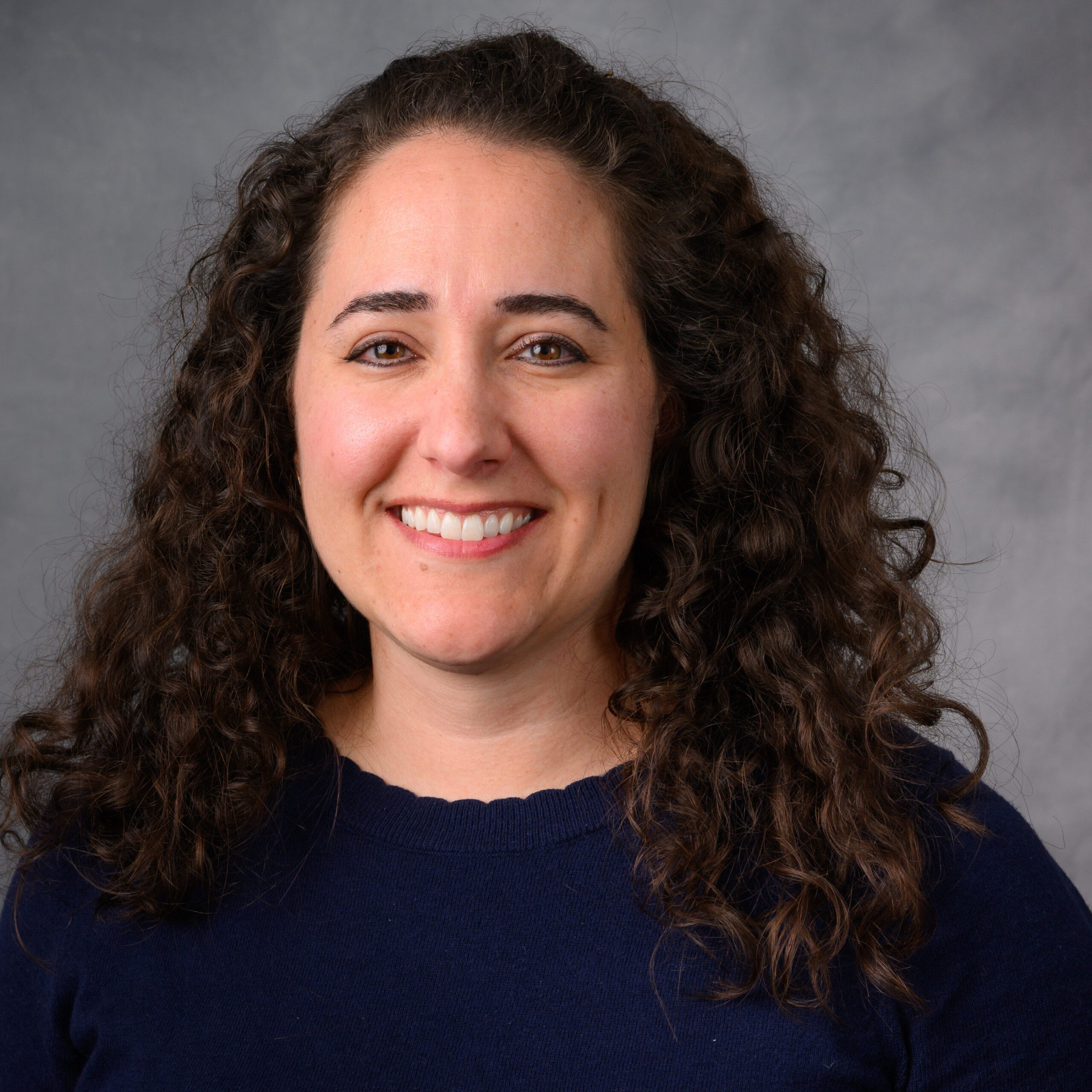
Michelle is the Program Coordinator and a Wellbeing Coach in the Office of Wellbeing. She manages the day to day operation of the wellbeing coaching and nutrition counseling services. Michelle graduated from Wake Forest in 2010 with a degree in Health and Exercise Science. Shen went on to work as a physical therapy technician and then in sales, where she honed her customer service skills. She returned to Wake Forest in 2017 and joined the Office of Wellbeing in late 2018. Michelle enjoys connecting people with the services they need to enhance their overall wellbeing and is excited to be a part of providing that to the Wake Forest community.
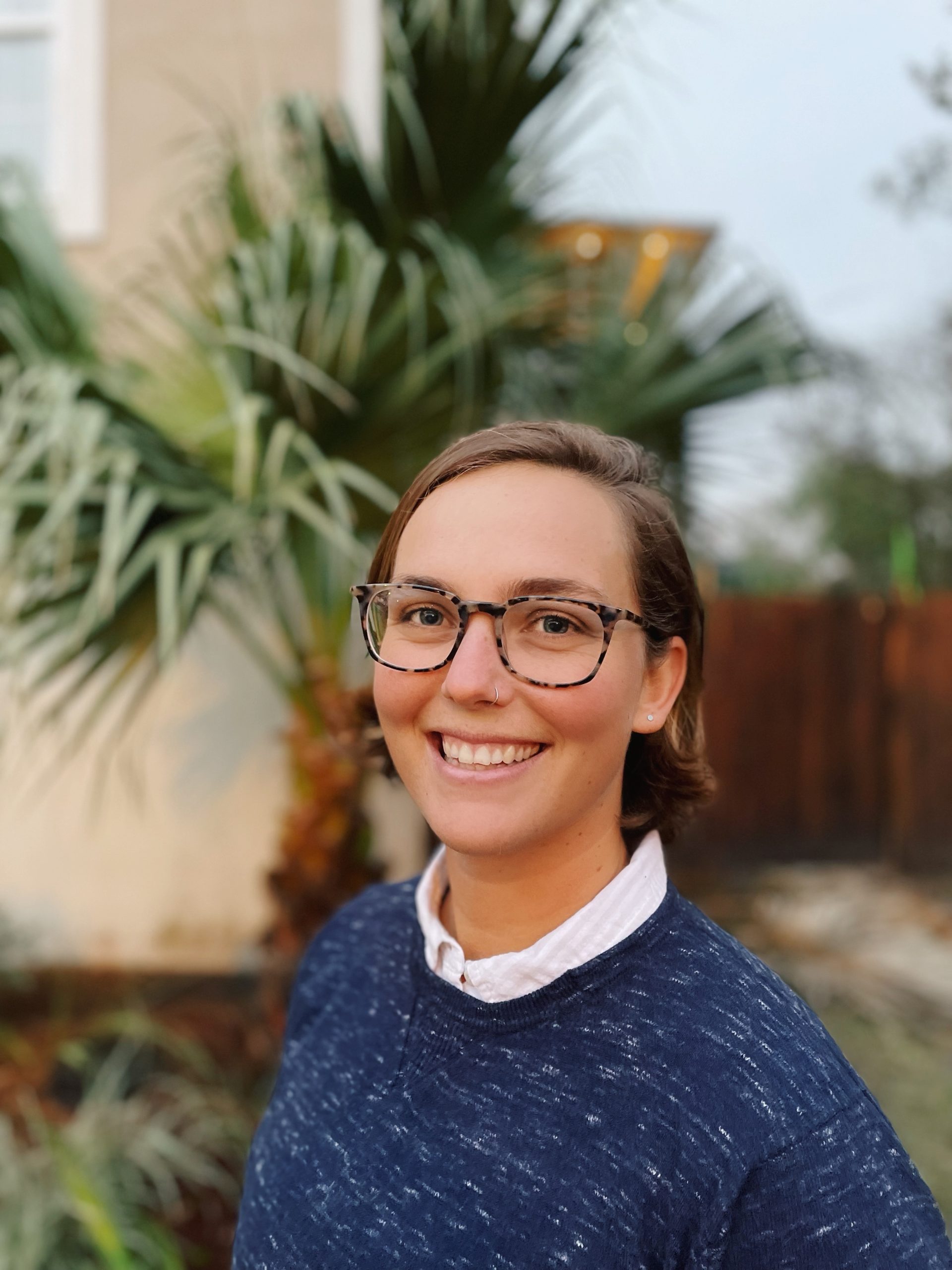
Hope Grant serves as the inaugural Respondent Support and Prevention Coordinator for the Office of Wellbeing. Through a non-judgmental and restorative approach, Hope offers support to student respondents in sexual misconduct cases, also referred to as interpersonal violence. She also assists in implementing training, education, and workshops focused on masculinity, healthy relationships, and consent. Prior to this, Hope worked as a Program Manager in the Center for Public Service at Tulane University. Before that, she worked with youth and young people in a variety of settings, including serving as an AmeriCorps VISTA member and an after-school cycling program coordinator.
Hope is a graduate of Pitzer College, where she received a B.A. in Psychology with a minor in English & World Literature. She was also a four-year student athlete on the women’s water polo team. In December 2025, Hope graduated with her Master’s in Social Work from Tulane University with a focus area in Mental Health, Addiction, and the Family. Outside of work, you can find Hope in her garden.

Adriana’s mission is to help others develop the strategies and self-awareness needed to create meaningful, fulfilling lives. She strives to provide a safe and supportive space where individuals can process their emotions, navigate challenges, and better understand what they need to feel balanced, healthy, and fulfilled.
Adriana completed her undergraduate studies at Duke University, where she earned a B.A. in Psychology and later earned her M.S. in Sport Psychology from Florida State University, graduating in 2013 with a published thesis. Adriana is also a National Board Certified Health & Wellness Coach and holds a Mindfulness Certification through Mindfulness Institute for Emerging Adults (MIEA). She incorporates mindfulness and meditation practices into her coaching to help individuals build greater self-awareness, manage stress, and create sustainable wellbeing.
Her own experience as a competitive runner has deeply shaped her approach. During the four years she spent pursuing her goal of qualifying for the 2020 U.S. Olympic Trials in the marathon, she encountered numerous setbacks, challenges, and moments of uncertainty. Ultimately, qualifying for and competing at the Olympic Trials reinforced one of the most important lessons she carries into her work today: the journey matters just as much as the destination.
Today, Adriana’s work extends far beyond athletic performance. She is passionate about helping people navigate periods of growth, change, uncertainty, and challenge while developing a stronger understanding of themselves. Drawing from positive psychology, strengths-based approaches, mindfulness, meditation, and intentional goal setting, she helps clients identify what matters most to them and take meaningful steps toward creating a life that feels authentic, balanced, and fulfilling.
Adriana’s first language is Spanish and she is comfortable conducting sessions in Spanish, if preferred by the client.
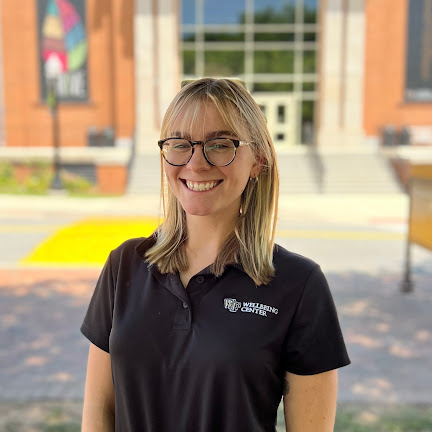
Becca Fuss is the inaugural Coordinator for Collective Impact & Signature Events. In her role, Becca supports the 7 Health and Wellbeing Coalitions across campus in their work to promote a healthy campus community. Becca assists with data analysis, event planning, and strategic oversight. She also supports the Office of Wellbeing in their external communication and marketing plan.
Becca’s passion for holistic wellbeing began while she was pursuing her undergraduate degree in Psychology from The Ohio State University. She went on to pursue her Master’s in Education at the University of South Florida, while also serving as the Facilities Graduate Assistant for USF Recreation and Wellness. Becca is now looking forward to inspiring Wake Forest students to implement health and wellness tactics in their daily lives and prioritizing wellness across the campus community. In her spare time, Becca fills her cup by teaching yoga, hiking, and reading.
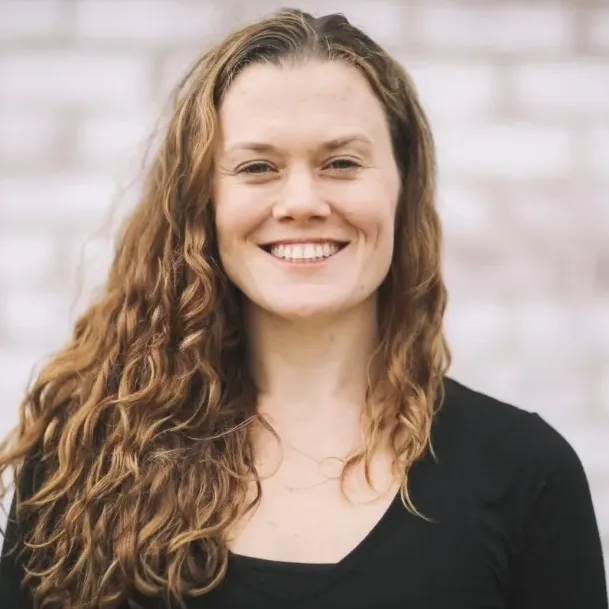
Andra Farrand believes that meaningful change begins with creating space to reflect, reconnect with what matters, and take intentional steps forward. As a Health and Wellbeing Coach, she strives to create a supportive and encouraging environment where clients can explore their goals, strengthen their mindset, and discover strategies that support personal growth and overall wellbeing. She believes that progress looks different for everyone and enjoys helping clients recognize their strengths, build self-awareness, and create sustainable change.
Andra has always been curious about health and wellbeing, human development, and the many ways we can support people in reaching their unique potential. She graduated from Guilford College with a degree in Sport Medicine and went on to study Health and Wellbeing Coaching through Duke Integrative Medicine. She is also a certified mindful meditation teacher in the Insight/Vipassana tradition, having trained through the University of California, Berkeley’s Greater Good Science Center with renowned teachers Tara Brach and Jack Kornfield. These experiences have shaped her approach to coaching and provided her with a range of tools to help clients navigate change, overcome challenges, and move toward goals that are meaningful to them.
Andra believes that self-awareness, encouragement, mindfulness, and small intentional changes can create lasting shifts in how we approach our lives. She uses a supportive, strengths-based approach to help clients meet themselves where they are, explore what matters most, and identify practical steps toward greater balance, fulfillment, and wellbeing. She sees the coaching process as a collaborative journey, one that allows clients to build on their existing strengths while creating space for growth and possibility.
In her personal life, Andra enjoys spending quality time with her husband, two daughters, and sweet dogs. She also finds joy and grounding through her yoga and meditation practice, traveling, and baking.